

Countdown to the Online Teacher Awards 2026
Days --
Hours --
Minutes --
Seconds
Bourganeuf, Nouvelle-Aquitaine, France – In a quaint corner of rural France, the gentle hum of the internet connects more than just local businesses and residents. It connects minds, sparks curiosity, and, for a growing number of people, provides access to education that might otherwise be out of reach. We’re talking about the unsung heroes of our digital age: the great online teachers. They work tirelessly, often anonymously, shaping futures from behind a screen, impacting lives they may never personally encounter.
The rise of online learning, accelerated by recent global events, has transformed education from a brick-and-mortar experience to a borderless frontier. While the convenience is undeniable, the true magic lies in the dedication of educators who have embraced this new paradigm, often with little fanfare.
Imagine a student in a remote village, hundreds of kilometers from the nearest university, suddenly able to access world-class lectures on astrophysics. Or a working parent in a bustling city, finally able to pursue a long-deferred dream of learning a new language, fitting lessons around their demanding schedule. These are not isolated anecdotes; they are the daily realities forged by exceptional online teachers.
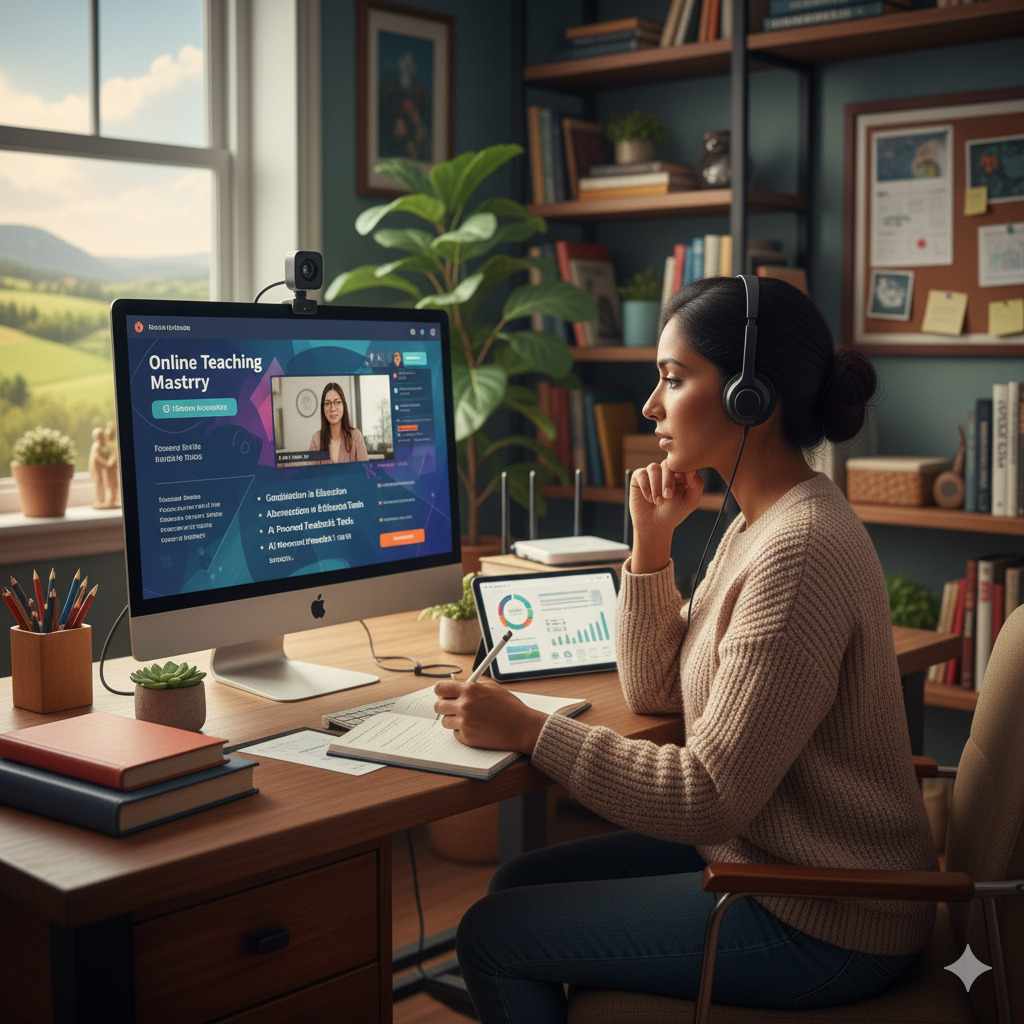
“The biggest reward is knowing you’re making a difference,” says Dr. Anya Sharma, a virtual history professor who teaches students across multiple continents from her home office, overlooking the rolling hills of Nouvelle-Aquitaine. “I might not see their faces in a classroom, but their engagement, their thoughtful questions in the forums, and their success in assignments – that’s how I know the connection is real.”

What makes these teachers so impactful? It’s more than just technical proficiency. It’s an innate understanding of the online medium’s unique challenges and opportunities. They are pioneers, constantly innovating to keep students engaged, foster a sense of community, and ensure that the learning experience is as rich and rewarding as any in-person alternative. They understand that a screen can be a barrier, but it can also be a bridge.
These educators are the architects of virtual classrooms, crafting interactive content, providing personalized feedback, and nurturing a sense of belonging in a digital space. They are the patient guides for those navigating new technologies and the inspiring mentors who ignite a passion for learning in unexpected places. They may not receive standing ovations, but the ripple effect of their dedication reaches far and wide, quietly transforming lives and empowering individuals to achieve their full potential.
The next time you log in for an online course, take a moment to appreciate the hero behind the screen. Their passion, innovation, and unwavering commitment are truly changing the world, one virtual lesson at a time.
Advice on Great Online Teaching: Mastering the Digital Classroom
Becoming a truly effective online teacher requires more than just subject matter expertise. It demands a thoughtful approach to the digital environment and a commitment to student success. Here’s some advice for those looking to excel in online education:
- Embrace and Master the Technology:
- Know Your Platform Inside Out: Whether it’s Moodle, Canvas, Zoom, or another platform, understand all its functionalities. This allows you to leverage interactive tools and troubleshoot issues quickly.
- Invest in Good Equipment: A clear microphone, reliable webcam, and stable internet connection are non-negotiable for smooth delivery. (Perhaps a glimpse of a well-equipped home office with a teacher on a video call)
- Be Prepared for Tech Glitches: Have backup plans (e.g., pre-recorded segments, alternative communication channels) for when technology inevitably acts up.
- Design for Engagement, Not Just Delivery:
- Break Up Content: Long lectures don’t translate well online. Break material into smaller, digestible chunks.
- Incorporate Varied Media: Use videos, infographics, interactive quizzes, and discussions to keep students stimulated.
- Foster Active Learning: Don’t just lecture. Ask questions, assign collaborative projects, and create opportunities for students to apply what they’ve learned.
- Build a Sense of Community:
- Encourage Interaction: Use discussion forums, group projects, and live Q&A sessions to promote peer-to-peer learning and connection.
- Be Present and Responsive: Regularly participate in discussions, offer timely feedback, and respond to student inquiries promptly. This shows you’re invested in their success.
- Create a Welcoming Environment: Start with introductions, establish clear communication guidelines, and maintain a positive and supportive tone.
- Clarity and Organization are Key:
- Provide Clear Expectations: Students need to know exactly what’s expected of them, when it’s due, and how it will be graded.
- Structure Your Course Logically: Organize modules, assignments, and resources in an intuitive and easy-to-navigate manner.
- Communicate Consistently: Use announcements, emails, and regular check-ins to keep students informed and on track.
- Be Flexible and Empathetic:
- Understand Student Needs: Online learners often juggle work, family, and other commitments. Offer flexibility where appropriate (e.g., extended deadlines for legitimate reasons).
- Provide Diverse Learning Paths: Recognize that students learn differently. Offer various ways to engage with content and demonstrate understanding.
- Offer Support Resources: Point students to technical support, academic advising, and mental wellness resources.
- Continuously Learn and Adapt:
- Solicit Feedback: Regularly ask students for feedback on what’s working and what could be improved.
- Stay Updated: Online learning tools and pedagogies are constantly evolving. Attend webinars, read articles, and experiment with new approaches. (An illustration of a teacher actively learning or researching online teaching methods)
- By following these principles, online teachers can move beyond simply delivering content to truly inspiring and empowering their students, becoming the unseen heroes who quietly shape futures from across the globe.
More Stories
How much impact does your online teaching really have?
What type of teacher are you?
AI in the Classroom: How Smart Tech Is Changing the Way We Teach Online